The Expiration Date on American Gratitude: How This Country Forgets Its Rescuers on Schedule
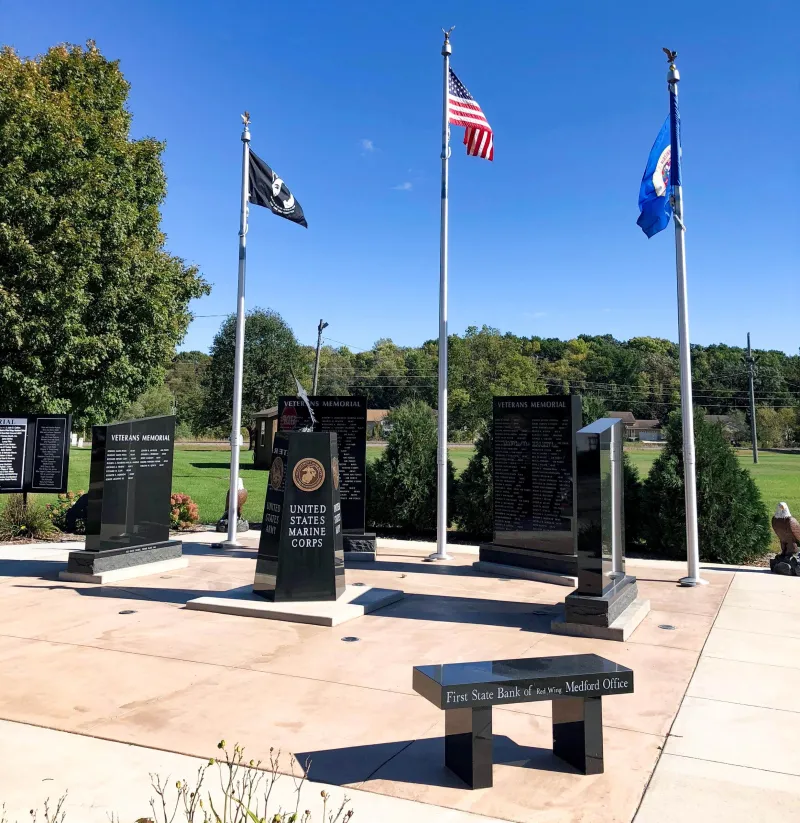
Photo: faded veterans memorial monument overgrown neglected, via www.sunburstmemorials.com
Sometime in the early 1870s, the United States government began the quiet work of forgetting its own recent past. The men who had preserved the Union — who had marched, bled, and in many cases been permanently disabled in the nation's most costly war — were discovering that the political currency of their sacrifice was depreciating faster than anyone had anticipated. The pension system was inadequate. The hospitals were underfunded. The commanders who had been celebrated in the streets of Washington were being eased out of public life with the polite efficiency of an institution that had moved on to other concerns.
It took approximately one decade for the hero of Appomattox to become a political inconvenience.
This is not an anomaly in American history. It is the pattern. And understanding it requires not a sentimental accounting of ingratitude but a structural analysis of why democratic societies are specifically organized to produce this outcome — an analysis that the full sweep of recorded history illuminates far more clearly than any contemporary study could.
The Architecture of Forgetting
Rome offers the original template. The Republic had a specific mechanism for managing the gratitude problem: the triumph. A victorious general was permitted one day of extraordinary public celebration — a procession through the city, the adoration of the crowd, the formal acknowledgment of the state. Then it was over. The general returned to civilian life. The army was disbanded. The hero became a citizen.
The triumph was not merely ceremonial. It was structural. It converted military glory into a single, bounded, non-renewable event. The general could not remain a general indefinitely. He could not leverage his victory into permanent political authority. The Republic had learned, through painful experience, that heroes who were permitted to remain heroes tended eventually to become emperors.
When Julius Caesar refused to disband his army at the Rubicon, he was not simply committing an act of ambition. He was refusing to submit to the architecture of forgetting. The Republic's violent response — and its ultimate failure to enforce that architecture — produced the outcome the system had been designed to prevent.
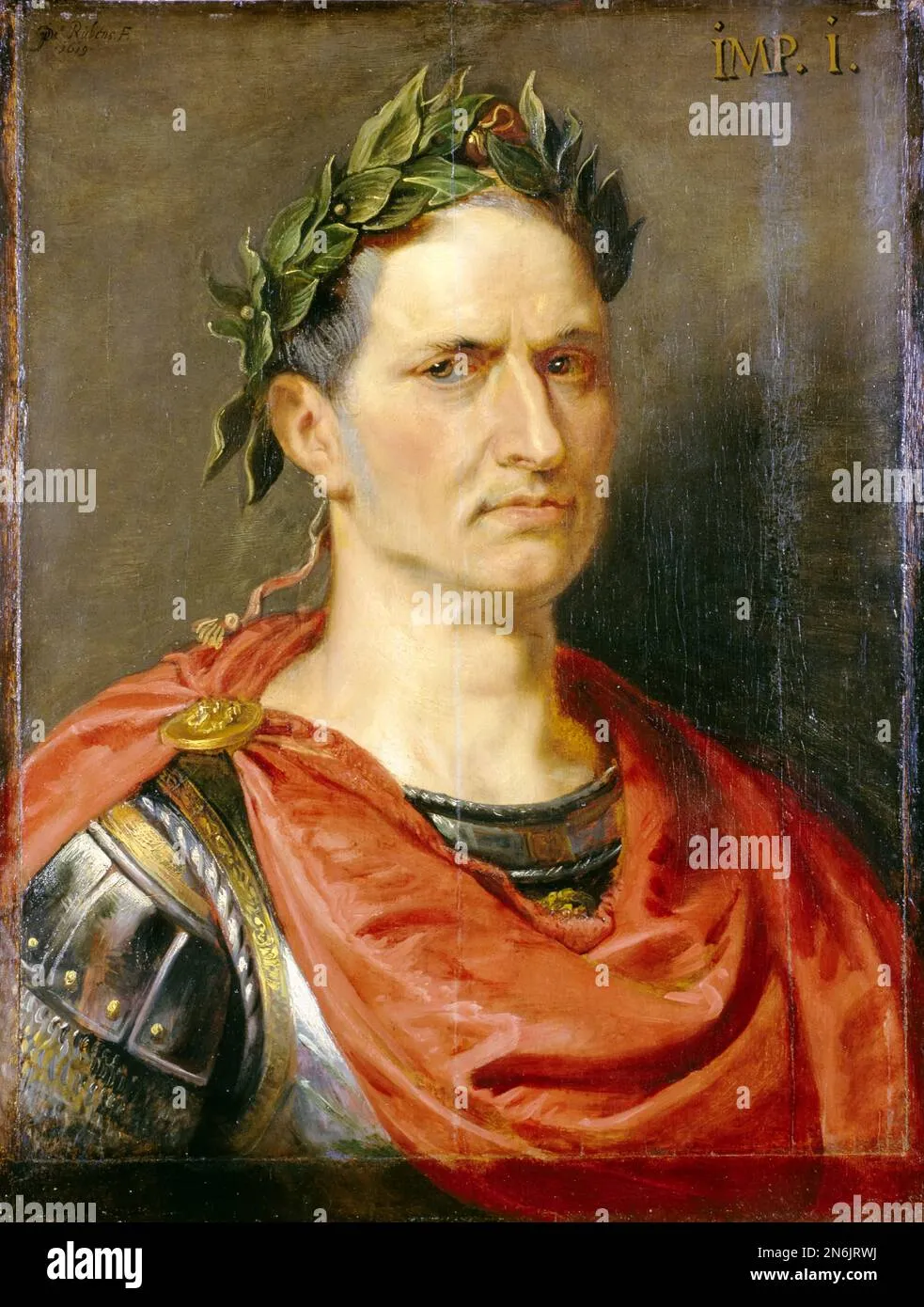 Photo: Julius Caesar, via c8.alamy.com
America built a version of the same architecture, less formally but no less functionally. The crisis hero is celebrated in the moment of crisis. Once the crisis passes, the celebration becomes a liability. The hero's continued prominence is a reminder of a danger that the public has decided, collectively, to stop believing in.
The Union Veteran and the Speed of Obsolescence
The post-Civil War treatment of Union veterans is among the most thoroughly documented examples of institutionalized forgetting in American history. By 1880 — fifteen years after Appomattox — the political coalition that had sustained the Reconstruction project had largely dissolved. The veterans who had been the physical embodiment of the Union cause were increasingly portrayed, in the Northern press, as a drain on public resources rather than as the instruments of national salvation.
The Grand Army of the Republic, the veterans' organization that had been a formidable political force in the 1870s, found its influence waning steadily through the 1880s. Pension reform — which might have addressed the genuine material hardship of aging veterans — was repeatedly delayed, diluted, and reframed as a patronage problem rather than a moral obligation. The men who had fought were not abandoned overnight. They were abandoned incrementally, through a series of small decisions that each seemed defensible in isolation and that together constituted a systematic withdrawal of the gratitude that had been so loudly expressed at the war's conclusion.
The timeline from triumph to obsolescence was, in this case, approximately one generation. The sons of the men who had wept at victory parades were the congressmen who voted against veterans' pensions.
The Twentieth-Century Acceleration
The pattern did not slow in the twentieth century. If anything, it accelerated. The New Deal agencies that had stabilized the American economy during the Depression — and whose architects had been celebrated as saviors of capitalism itself — were targets of aggressive legislative dismantlement within twenty years of their creation. The argument used against them was not that they had failed. It was that the emergency that had justified them had passed.
This is the critical rhetorical move in the American forgetting architecture. The crisis hero is not accused of incompetence. He is accused of irrelevance. The emergency is declared over. The institutions built to address it are reframed as relics of a moment that no longer exists. The people who staff them are reimagined not as guardians but as bureaucrats — comfortable, self-interested, resistant to change.
The same sequence played out following the 2008 financial crisis. The regulatory agencies and emergency mechanisms that had prevented a complete collapse of the financial system were, within a decade, the subjects of sustained legislative pressure to reduce their authority and funding. The officials who had managed the crisis were, in several cases, publicly vilified for the very interventions that had prevented the worst outcomes.
The public health officials who guided the United States through the early phases of the COVID-19 pandemic followed the same arc with unusual speed. The transition from national authority figures to political targets took, in some cases, less than two years.
Why Democracy Produces This Outcome
The structural explanation is not flattering but it is honest. Democratic systems are organized around electoral cycles that are shorter than the timelines of most genuine crises. A crisis that unfolds over a decade will outlast two or three electoral mandates. The politicians who benefit from association with the crisis response during its acute phase are rarely the same politicians who must defend the ongoing cost of the institutions built to address it.
This creates a systematic incentive to declare the crisis resolved before it is resolved — and to begin the process of dismantling the response apparatus as a demonstration of fiscal responsibility and political independence. The hero who insists that the crisis is ongoing is not only inconvenient; he is actively threatening to the political coalition that has decided the crisis is over.
Rome's triumph ceremony was, in retrospect, a remarkably honest acknowledgment of this dynamic. It said, explicitly: your service is recognized, your moment is bounded, and the Republic's need for you has a defined endpoint. American democracy says the same thing, but without the ceremony. The hero discovers the expiration date on his gratitude not through formal ritual but through a gradual withdrawal of attention, funding, and political support that arrives without announcement and without acknowledgment.
The Perennial Lesson
The historical record does not suggest that gratitude is insincere at the moment of its expression. The crowds that celebrated Grant were not lying. The legislators who praised the New Deal architects were not performing. The gratitude was real. What the record suggests is that gratitude, in a democratic society, is a depletable resource — and that the rate of depletion is tied not to the magnitude of the service rendered but to the inconvenience of continued acknowledgment.
The communities and institutions that have managed this dynamic most successfully are those that understood, from the beginning, that the window of political will opened by a crisis is short and that the work of building durable structures must be completed before the gratitude expires. The heroes who lasted were not those who waited to be remembered. They were those who built institutions capable of outliving the memory.