The Builders Who Built Their Own Gallows: Why Success Always Devours Its Architects
The Weavers' Paradox
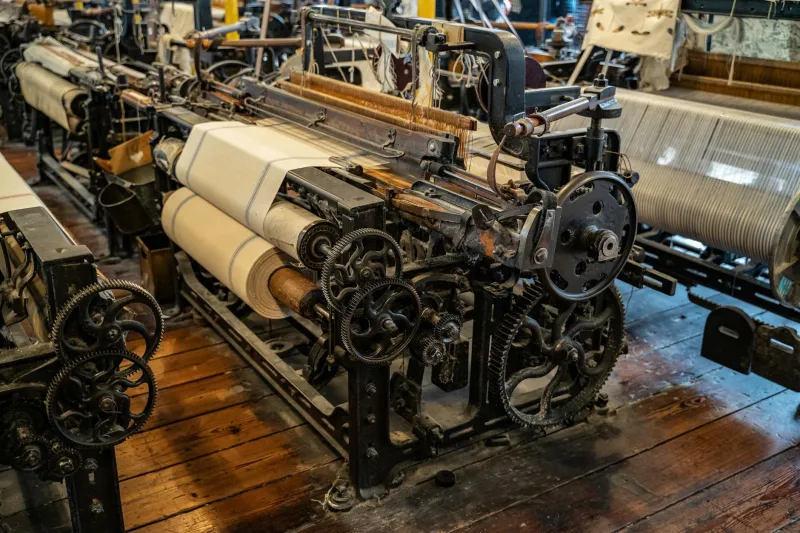
In 1733, John Kay invented the flying shuttle, a device that would transform textile production and help launch the Industrial Revolution. Kay was a weaver himself, born into a family of weavers, surrounded by the guild system that had protected artisan textile workers for centuries. His invention made weaving faster and more efficient, promising prosperity for everyone in the trade.
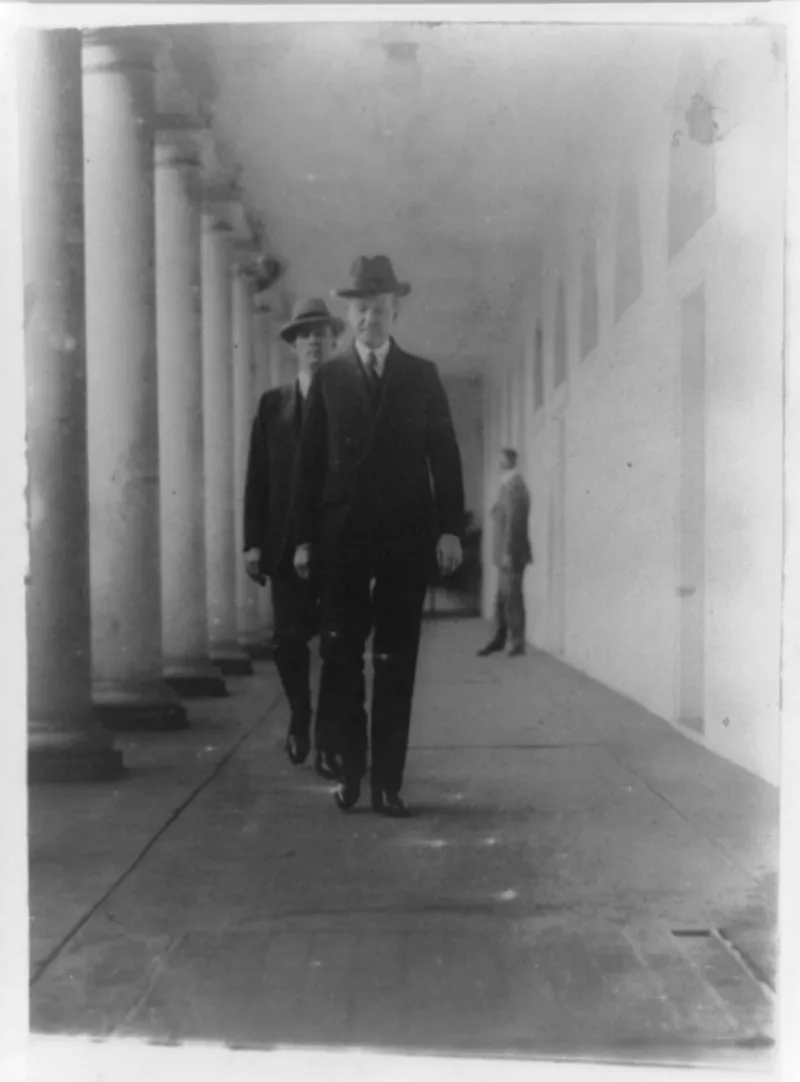
 Photo: John Kay, via www.paradiseartists.com
Within fifty years, Kay's innovation had generated enough wealth and efficiency improvements to fund the construction of massive textile mills that employed hundreds of workers at wages far below what independent weavers had earned. The very success of Kay's invention created the capital accumulation necessary to eliminate the artisan weaving class entirely. Kay himself died in poverty in France, having fled England to escape the weavers who blamed him for their destruction.
This pattern—prosperity consuming its own creators—has repeated itself across every major economic expansion in recorded history. The psychology driving it remains unchanged: success generates resources, resources enable replacement, and replacement always targets those closest to the original source of value.
The Railroad Paradox
American railroad construction in the 19th century followed the identical template. Thousands of Irish, Chinese, and other immigrant workers built the transcontinental railroad system under brutal conditions, often for minimal pay. Their labor created one of the most profitable industries in American history, generating enormous wealth for railroad companies and opening vast territories for development.
The prosperity these workers created funded the development of more efficient construction techniques, better machinery, and eventually, alternative transportation methods that reduced the need for railroad labor. The same companies that had desperately recruited workers during the construction boom began implementing efficiency measures that eliminated jobs as soon as the initial construction phase ended.
More significantly, the wealth generated by railroad construction funded the political influence that allowed railroad companies to import cheaper labor and resist worker organization efforts. Success created the resources necessary to ensure that success's benefits would not be shared with those who had made it possible.
The Digital Gold Rush
Silicon Valley's dot-com era provides perhaps the clearest modern example of this ancient pattern. The entrepreneurs, programmers, and early employees who built the first generation of internet companies created unprecedented wealth and market valuations. Companies like Pets.com, Webvan, and hundreds of others achieved massive market capitalizations based on the innovative work of their founders and early teams.
 Photo: Pets.com, via printsyouassets.s3.amazonaws.com
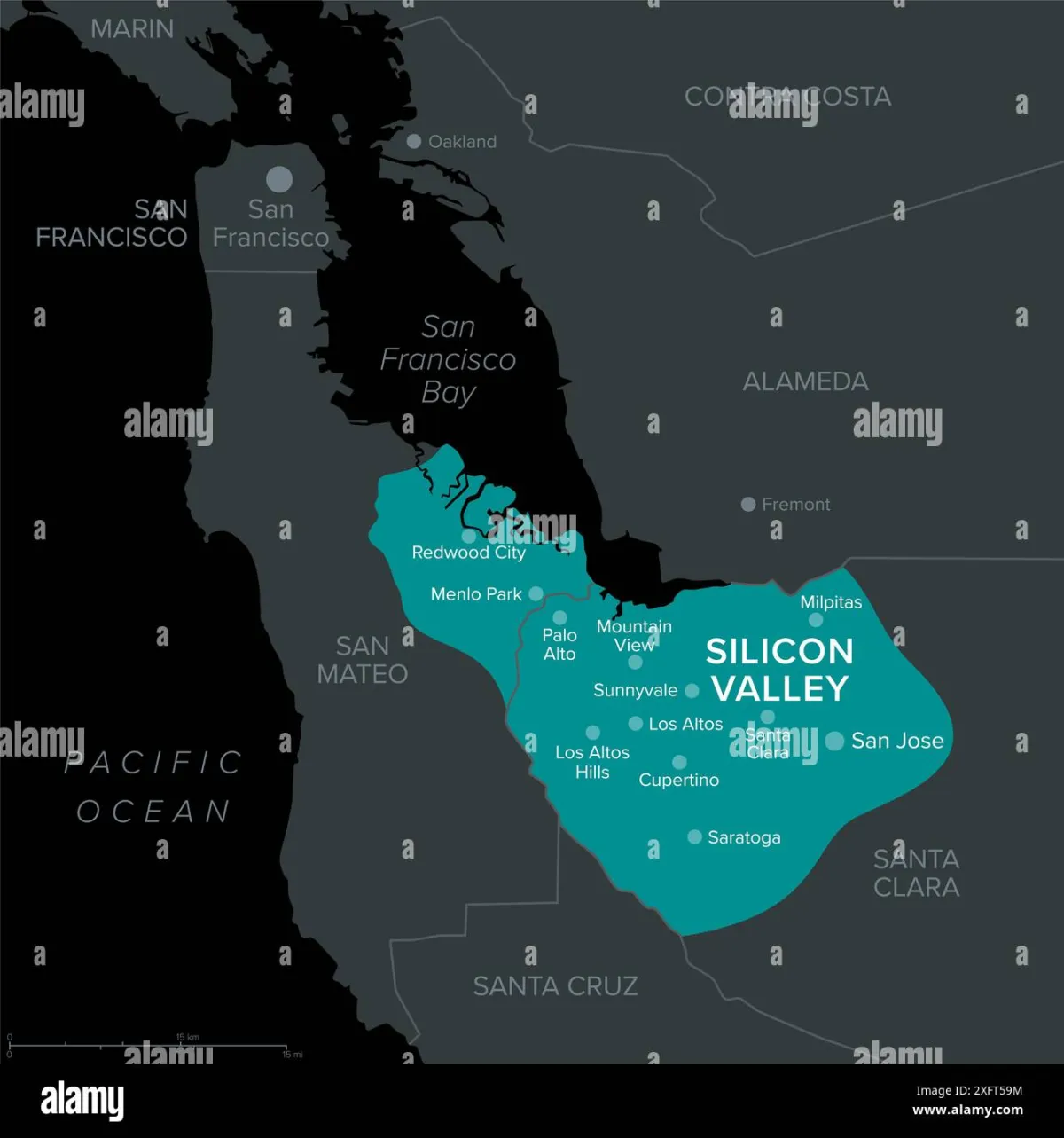 Photo: Silicon Valley, via c8.alamy.com
That very success attracted venture capital investment, professional management, and eventually, acquisition interest from established corporations. The prosperity created by the original teams generated enough investor confidence to fund the hiring of "experienced" executives who promptly eliminated the "amateur" founders and early employees who had created the value in the first place.
The pattern repeated at successful companies as well as failed ones. Even profitable dot-com companies discovered that their success had made them valuable enough to acquire, and acquisitions typically meant the departure of original teams in favor of "professional management" from the acquiring companies.
The Efficiency Engine
The mechanism driving this pattern operates like a law of physics in human organizations. Initial success creates resources. Resources enable optimization. Optimization always targets the highest-cost, lowest-efficiency elements of the system. In most cases, those elements are the original creators, who typically command higher compensation, resist standardization, and maintain expensive decision-making autonomy.
This process accelerates during periods of rapid growth because growth creates both the resources and the pressure to optimize. The same market conditions that reward innovation also reward the elimination of innovation's inefficiencies—including, eventually, the innovators themselves.
The psychology remains constant across centuries and industries: prosperity creates confidence that the original creators are no longer necessary for continued prosperity. Success convinces its beneficiaries that they understand success well enough to achieve it without the people who originally achieved it.
The Artisan Elimination Cycle
Every major industry has experienced this cycle. Skilled craftsmen create quality products that generate market demand. Market demand creates capital accumulation. Capital accumulation funds mechanization and systematization that eliminates the need for skilled craftsmen. The craftsmen's own excellence creates the economic conditions that make their skills obsolete.
American manufacturing followed this pattern through the 20th century. Skilled machinists, tool and die makers, and other craftsmen built the foundation for mass production industries. Their expertise generated the profits that funded research into automation, robotics, and eventually, overseas manufacturing that eliminated most skilled manufacturing jobs in the United States.
The irony compounds because the eliminated workers often possessed knowledge that proved valuable later. Companies that automated away their skilled workforce frequently discovered they had also eliminated institutional knowledge about quality control, problem-solving, and process improvement. But by then, the expertise was gone, and the cost of rebuilding it often exceeded the cost of accepting lower quality or higher failure rates.
The Venture Capital Acceleration
Modern venture capital has systematized this ancient pattern, creating what amounts to an industrial process for eliminating founders. The venture capital model explicitly assumes that successful companies will eventually require "professional management" to replace their founders. This assumption becomes self-fulfilling as venture capital provides the resources necessary to hire replacement management and the board control necessary to implement replacement.
The same success that attracts venture capital investment creates the justification for founder replacement. Companies that achieve significant growth or market validation are deemed "ready" for professional management, meaning ready to eliminate the people whose vision and risk-taking created the success in the first place.
This pattern has become so routine that many entrepreneurs now expect to be eliminated from their own companies if those companies become successful enough. The venture capital industry has transformed the ancient pattern of success consuming its creators into a explicit business model.
The Institutional Memory Problem
The elimination of original creators typically coincides with the loss of institutional memory about why certain decisions were made or how certain problems were solved. The people who built the original systems understood not just how they worked, but why they were designed to work that way. Their replacement often involves the substitution of standardized processes for contextual knowledge.
This creates a recurring cycle in which organizations achieve success, eliminate the people who created that success, lose the institutional knowledge that sustained that success, and eventually face crises that require the kind of innovative problem-solving they eliminated along with their original creators.
The Eternal Return
This pattern persists because it reflects unchanging aspects of human psychology and economic logic. Success creates resources, resources enable optimization, and optimization always targets what appears to be inefficient. Original creators, with their high compensation demands, decision-making autonomy, and resistance to standardization, always appear inefficient compared to replaceable systems and processes.
The pattern will continue because the alternative—maintaining expensive, autonomous creators indefinitely—conflicts with the economic pressures that success itself creates. Prosperity generates the expectation of continued growth, and continued growth requires efficiency improvements that inevitably target the highest-cost elements of the organization.
History offers no examples of economic systems that successfully avoided this pattern. The builders who create prosperity invariably build the systems that replace them, because prosperity itself demands optimization, and optimization always begins with its own origins. The gallows are built into the blueprint from the beginning; success simply provides the rope.