When Partners Become Strangers: The Inevitable Mathematics of Business Divorce

The Pattern That Never Changes
In 1602, the Dutch East India Company assembled the most successful business partnership in human history. Multiple merchant families pooled their resources, expertise, and political connections to dominate global trade for two centuries. By 1799, the partnership had dissolved in spectacular fashion, consumed by internal warfare between the very families who had built it.
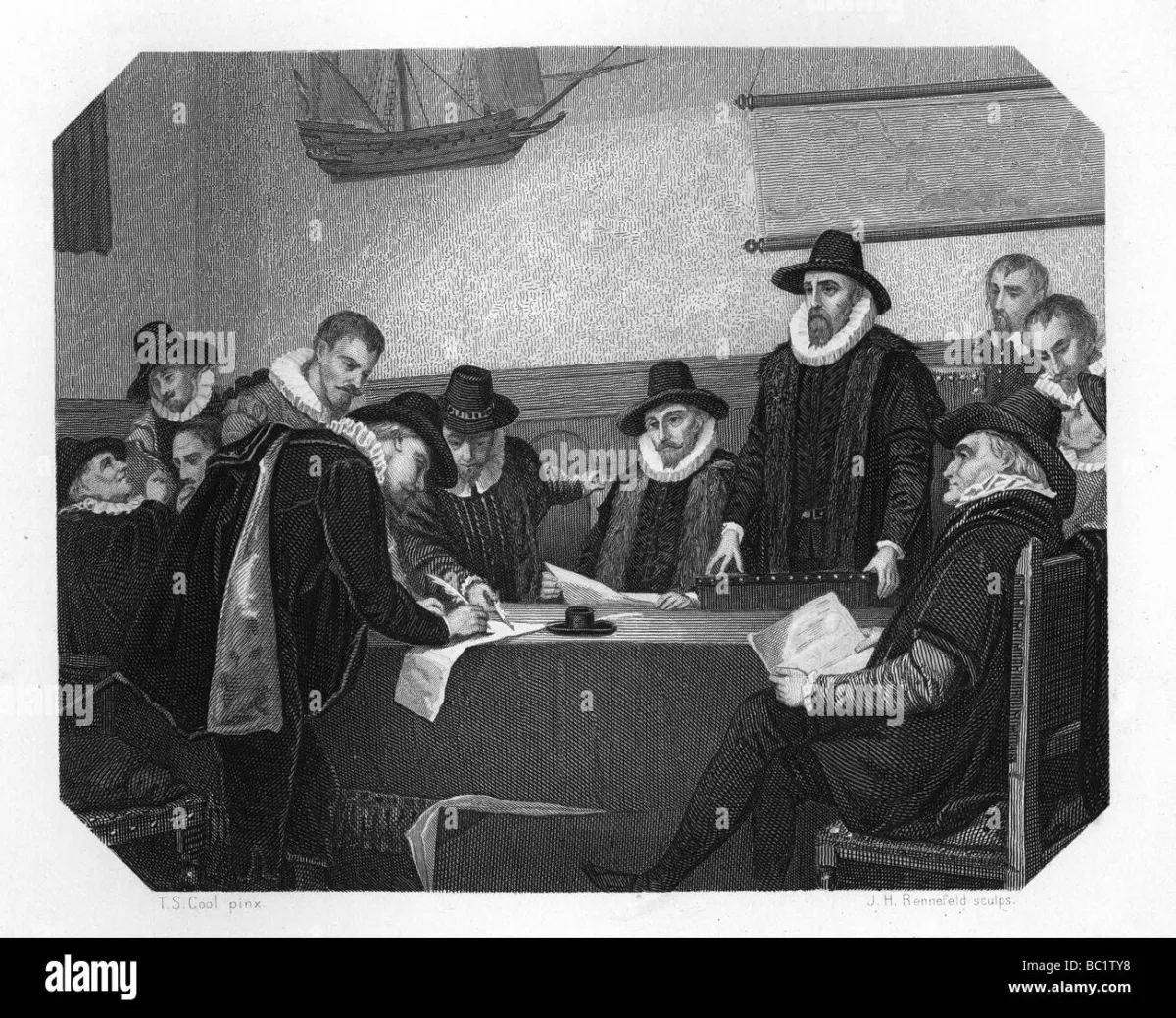 Photo: Dutch East India Company, via c8.alamy.com
Four hundred years later, the co-founders of every major technology company would follow an nearly identical trajectory. The enthusiastic handshake agreements. The complementary skill sets. The shared vision of changing the world. And then, inevitably, the lawyers.
The business press treats each high-profile partnership dissolution as a unique failure of personality or circumstance. Steve Jobs and Steve Wozniak. Larry Ellison and Bob Miner. Mark Zuckerberg and Eduardo Saverin. But examining the historical record reveals something more unsettling: these breakups follow such a consistent pattern that they appear to be features of partnership itself, not bugs in individual relationships.
 Photo: Mark Zuckerberg, via fortune.com
 Photo: Steve Jobs, via book.stevejobsarchive.com
The Three-Act Structure of Commercial Friendship
Every successful business partnership moves through three predictable phases, regardless of century or industry. The first act is symbiosis. Partners bring genuinely different strengths to a shared problem. One understands the market, the other understands the product. One provides capital, the other provides connections. The differences that will eventually destroy them are initially their greatest asset.
The second act is success. The partnership works exactly as designed. Revenue grows, recognition arrives, and both partners benefit from their collaboration. This phase can last months or decades, but it always contains the seeds of its own destruction. Success changes the equation that made the partnership necessary.
The third act is divergence. As the business grows beyond what either partner could have achieved alone, their roles begin to overlap rather than complement. The market expert learns enough about the product to have opinions. The product expert learns enough about the market to question decisions. What began as division of labor becomes competition for control.
The Roman Precedent
The Romans understood this pattern well enough to build legal structures around it. Roman law distinguished between societas, temporary partnerships for specific ventures, and collegium, permanent associations with shared identity. Significantly, societas partnerships were designed to dissolve automatically when their stated purpose was achieved.
Modern American business law inherited the Roman framework but lost the Roman wisdom about human nature. We treat partnerships as permanent arrangements between people who happen to be temporarily aligned, rather than temporary arrangements between people who are permanently different.
The result is predictable. American courts process thousands of partnership disputes every year, each following the same basic script. Partners who once described each other as "like brothers" now argue over who deserves credit for ideas that emerged from their collaboration. The legal system treats these disputes as contract violations, but the historical record suggests they are psychological inevitabilities.
The Identity Problem
The deeper issue is not financial but existential. Successful partnerships create something larger than either partner could achieve alone, but human psychology cannot easily accommodate shared credit for personal achievement. The merchant families of the Dutch East India Company understood their individual contributions to collective success. So did Jobs and Wozniak. But as their joint creation became the primary source of their public identity, the partnership became a constraint on their individual recognition.
This dynamic explains why partnership breakups often seem disproportionately bitter relative to the actual stakes involved. The fight is not really about money or control, but about who gets to be the author of a shared story. History belongs to individuals, not committees.
The Structural Solution
The most durable business partnerships in history have been those that explicitly planned for their own dissolution. The great trading partnerships of Renaissance Italy included sunset clauses and exit mechanisms from their inception. Modern venture capital partnerships operate on fixed timelines with predetermined distribution schedules.
The lesson is not that business partnerships are doomed, but that they require the same kind of structural thinking that goes into any other temporary arrangement. The marriage metaphor that dominates partnership language is precisely wrong. Successful business partnerships are more like military alliances: intensely committed, mutually beneficial, and designed to end when their strategic purpose is achieved.
The alternative is the historical norm: partnerships that continue until they explode, destroying not only the business relationship but often the personal friendship that made it possible in the first place. Four centuries of commercial history suggest that this outcome is not a failure of character but a predictable result of asking human psychology to bear more weight than it can carry.