Perennial News History is the largest study ever conducted.

Perennial News

History is the largest study ever conducted.


Latest Articles

A Whisper Brought Down a Bank: The 1907 Panic and the Eternal Mechanics of Crowd Contagion
Technology

A Whisper Brought Down a Bank: The 1907 Panic and the Eternal Mechanics of Crowd Contagion

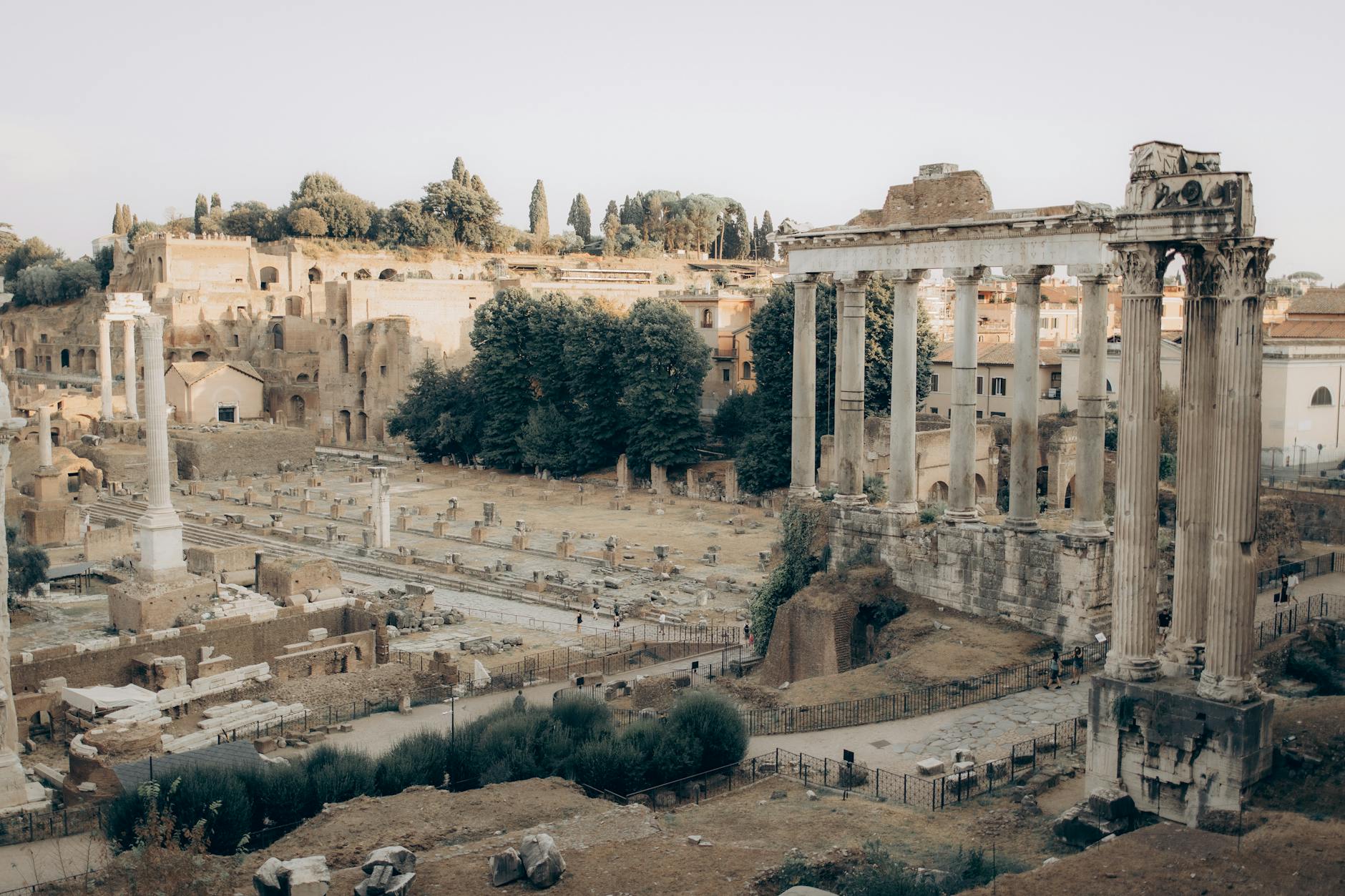
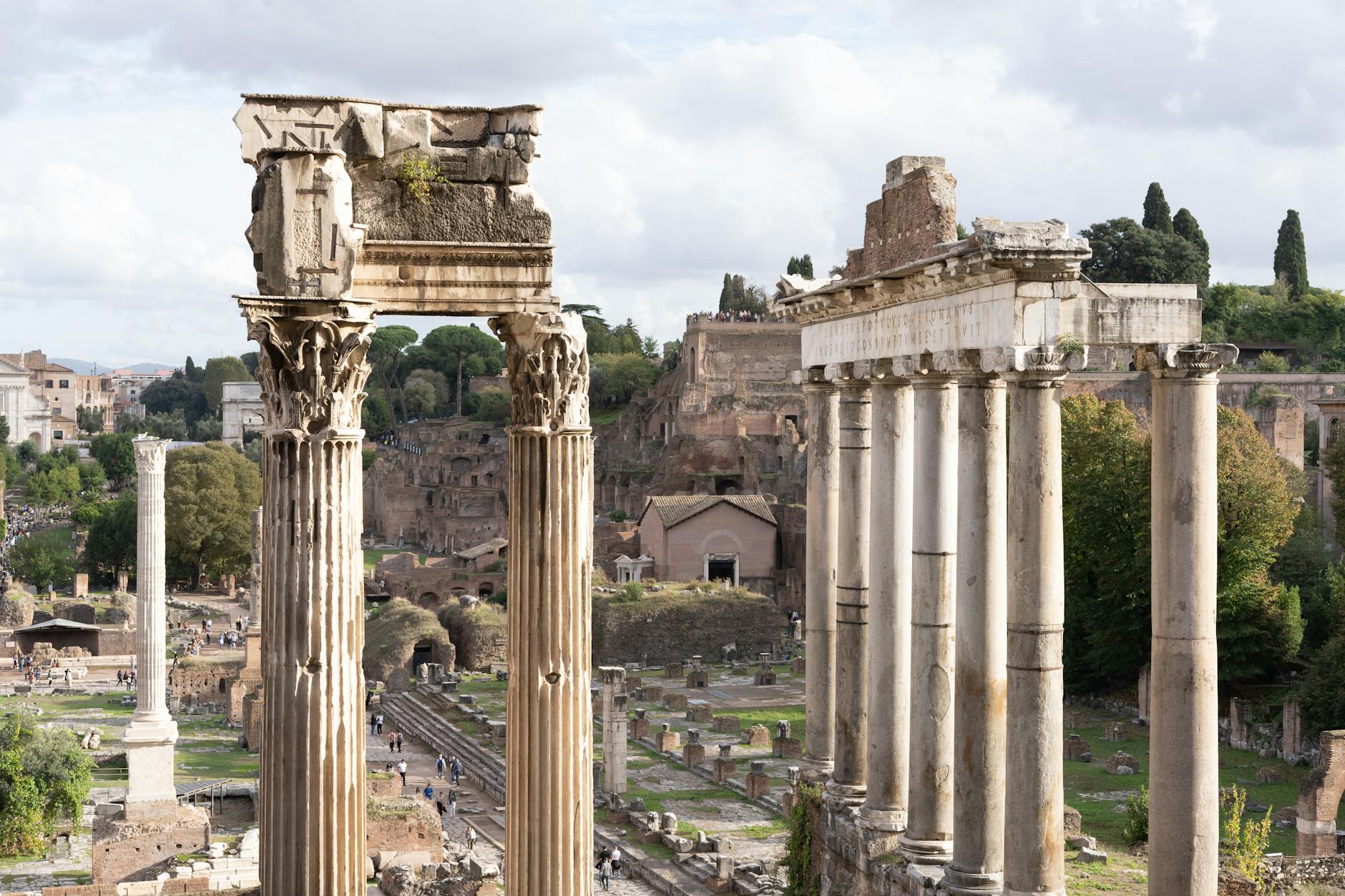
In October 1907, an unverified rumor about the Knickerbocker Trust Company traveled mouth-to-ear across Manhattan and nearly dismantled the American financial system. The speed of transmission has since increased by several orders of magnitude, but the crowd psychology driving that collapse is indistinguishable from what unfolds on social media platforms today. Understanding the 1907 panic is not a history lesson — it is an operating manual.
Cosimo de' Medici Understood Your Cap Table Better Than Your Favorite Business Book Does
Technology

Cosimo de' Medici Understood Your Cap Table Better Than Your Favorite Business Book Does

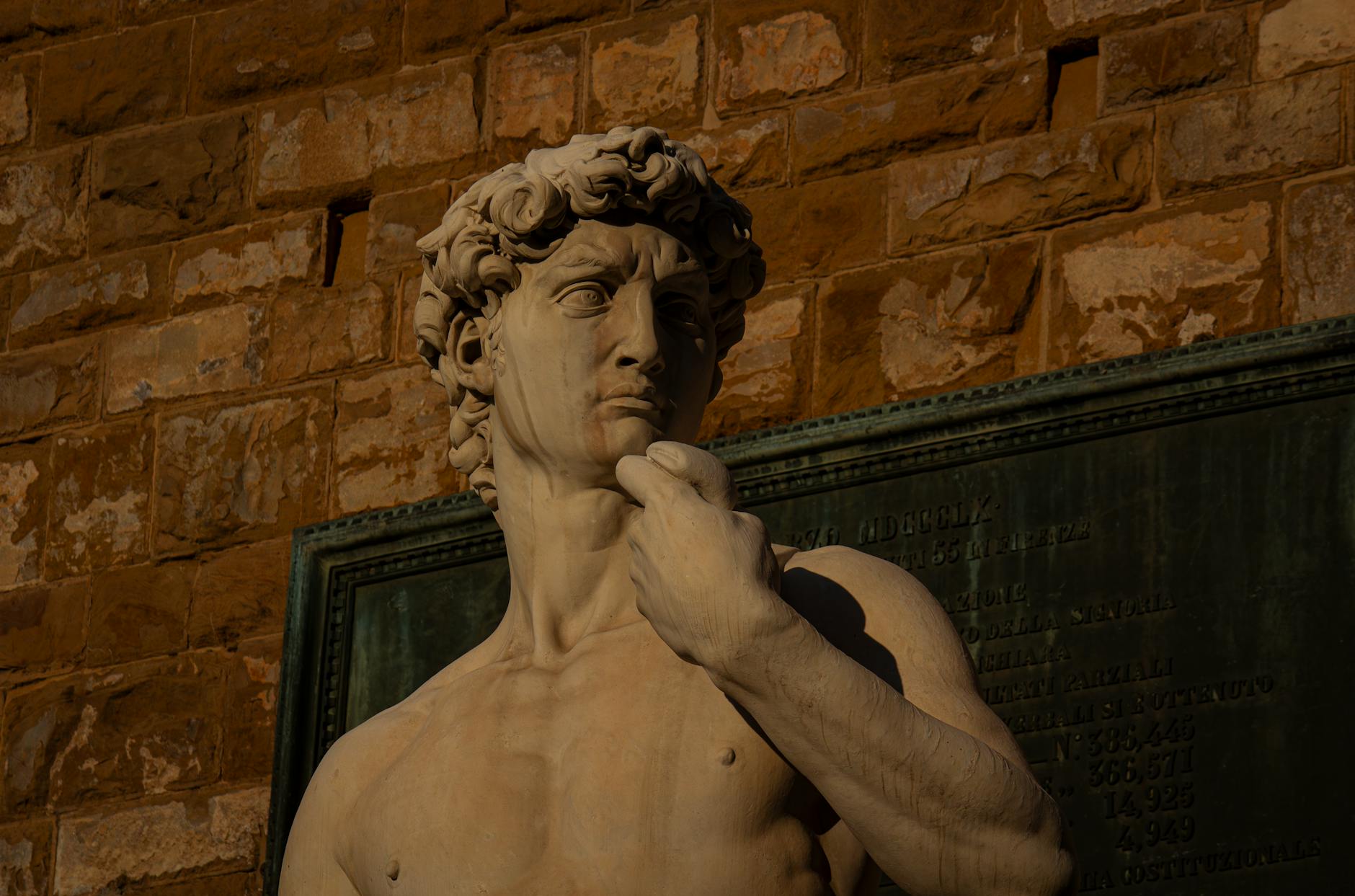
The Florentine banking dynasty that financed the Renaissance made decisions about trust, leverage, reputation, and competitive positioning that map with uncomfortable precision onto the challenges facing modern startup founders. The difference between the Medici and the authors of most contemporary business books is simple: history studied everyone, including the ones who failed spectacularly.

Five Times America Was Certain It Was Over — A Forensic Account
Politics

Five Times America Was Certain It Was Over — A Forensic Account

At least five times in the past century and a half, a substantial portion of the American public became genuinely convinced that the democratic experiment was entering its final chapter. Diaries, newspapers, and polling data from each moment tell a story that is neither comforting nor alarming — it is something more useful than either: honest.

The Roman Forum Had a Comment Section Too — And It Was Destroying People
Technology

The Roman Forum Had a Comment Section Too — And It Was Destroying People

Two thousand years before the smartphone, Roman citizens were drowning in political noise, catastrophizing the daily news cycle, and turning to philosophical self-help movements to cope. The human nervous system has not been upgraded since the late Republic — and the historical record shows exactly which coping strategies survived the test of time.

The Stranger at the Gate: Why Every Generation Believes This Wave of Immigrants Is Different
Politics

The Stranger at the Gate: Why Every Generation Believes This Wave of Immigrants Is Different

For nearly two centuries, Americans have greeted each new wave of immigration with a remarkably consistent set of warnings: that these particular arrivals are unassimilable, criminally inclined, and loyal to a foreign power. The rhetoric has changed very little. Only the names of the groups have.

Before the Models Failed, These People Already Knew: Five Ordinary Witnesses to Economic Collapse
Technology

Before the Models Failed, These People Already Knew: Five Ordinary Witnesses to Economic Collapse

In the months before five of history's most significant economic disasters, a handful of ordinary people — merchants, housewives, shopkeepers — read the signals correctly while credentialed institutions read them wrong. What they shared was not superior data. It was a different kind of attention.

When Lies Became Policy: The Disinformation Playbook That Brought Down the Roman Republic
Technology

When Lies Became Policy: The Disinformation Playbook That Brought Down the Roman Republic

The late Roman Republic did not fall because its institutions were weak. It fell because those institutions were systematically exploited by men who understood that controlling the information environment was more powerful than controlling the army — at least until the army became necessary too. The mechanics of that process are worth studying in detail.

From Front Page to Footnote: The Rise, Fall, and Reinvention of Digg
Technology

From Front Page to Footnote: The Rise, Fall, and Reinvention of Digg

Once the undisputed king of social news aggregation, Digg defined how millions of Americans discovered content on the early internet. Its dramatic collapse and ongoing efforts to reinvent itself offer a compelling case study in platform hubris, community loyalty, and the unforgiving pace of digital disruption.