
The Siren Song of Transformation
In 1837, the town council of Cairo, Illinois voted to issue bonds worth three times their annual budget to secure a railroad depot that would, according to promotional materials, transform their Mississippi River settlement into "the Chicago of the South." The railroad came, operated for six years, and departed when a more favorable deal emerged in a neighboring county. Cairo spent the next forty years paying off the debt for infrastructure that generated exactly zero long-term economic benefit.
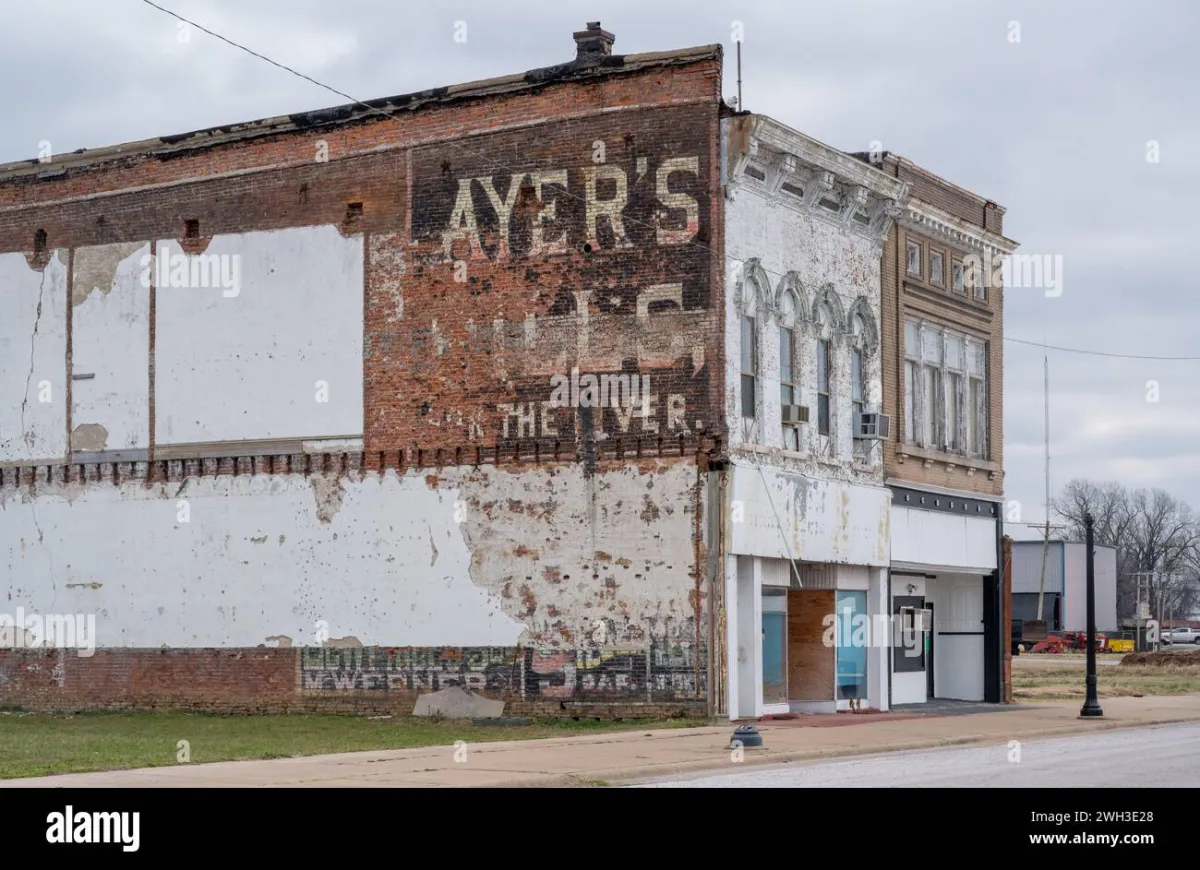 Photo: Cairo, Illinois, via c8.alamy.com
This story has been repeated, with minor variations, in American municipalities for two hundred years. The details change—railroads become factories, factories become sports stadiums, stadiums become corporate headquarters—but the underlying psychology remains constant. Communities convince themselves that one transformative deal will permanently alter their economic trajectory, despite centuries of evidence that such deals almost never deliver on their promises.
The Railroad Fever Years
The pattern emerged during America's railroad expansion, when towns across the Midwest mortgaged their futures to attract rail connections. Promotional literature from the 1840s and 1850s reads like contemporary economic development brochures: carefully crafted projections showing exponential population growth, detailed maps of future commercial districts, and testimonials from "experts" guaranteeing prosperity.
Davenport, Iowa issued municipal bonds worth $200,000 in 1853—equivalent to roughly $6 million today—to subsidize railroad construction. The town's population was 1,800. City fathers projected that rail access would generate sufficient tax revenue to retire the bonds within five years while funding dramatic improvements to schools, roads, and public services.
The railroad arrived on schedule. The projected economic transformation did not. Davenport discovered what hundreds of similar communities learned: transportation infrastructure creates opportunity but does not guarantee utilization. The rails connected Davenport to larger markets, but they also connected larger markets to Davenport, enabling competition that often proved more damaging than beneficial to local businesses.
The Stadium Solution
The twentieth century replaced railroad fever with stadium fever, but the psychology remained identical. Cities convinced themselves that sports facilities would catalyze urban renewal, generate tourism revenue, and create the civic pride necessary for broader economic development. The promises were always the same: jobs, tax revenue, and transformation.
Detroit's experience with Ford Field illustrates the pattern's persistence. In 1995, city officials projected that a new football stadium would generate $1.5 billion in economic activity over thirty years, revitalize downtown commerce, and establish Detroit as a premier destination for major events. The city contributed $140 million in public financing, justified by detailed economic impact studies.
 Photo: Ford Field, via seatingchartview.com
Twenty-five years later, the area surrounding Ford Field remains largely unchanged. The stadium generates revenue during football season but has failed to catalyze the broader commercial development that justified the public investment. This outcome was entirely predictable—dozens of similar projects in other cities had produced identical results—yet Detroit's civic leaders convinced themselves their situation was different.
The Corporate Headquarters Gambit
The twenty-first century version involves corporate headquarters and technology campuses. Cities now compete to offer billion-dollar incentive packages to attract major employers, convinced that landing the right company will fundamentally transform their economic prospects. The promises have evolved but the psychology has not: one transformative deal will solve everything.
Amazon's HQ2 competition exemplified this dynamic. Cities across America submitted proposals offering unprecedented incentive packages—New Jersey pledged $7 billion, Maryland offered $5 billion, Illinois promised $2 billion—based on projections of economic transformation that echoed the railroad promotional literature of 1850.
The winning bid from Arlington, Virginia included $573 million in direct incentives plus additional tax breaks and infrastructure improvements. Local officials projected that Amazon's presence would generate 25,000 high-paying jobs, stimulate residential development, and establish Northern Virginia as a technology hub rivaling Silicon Valley.
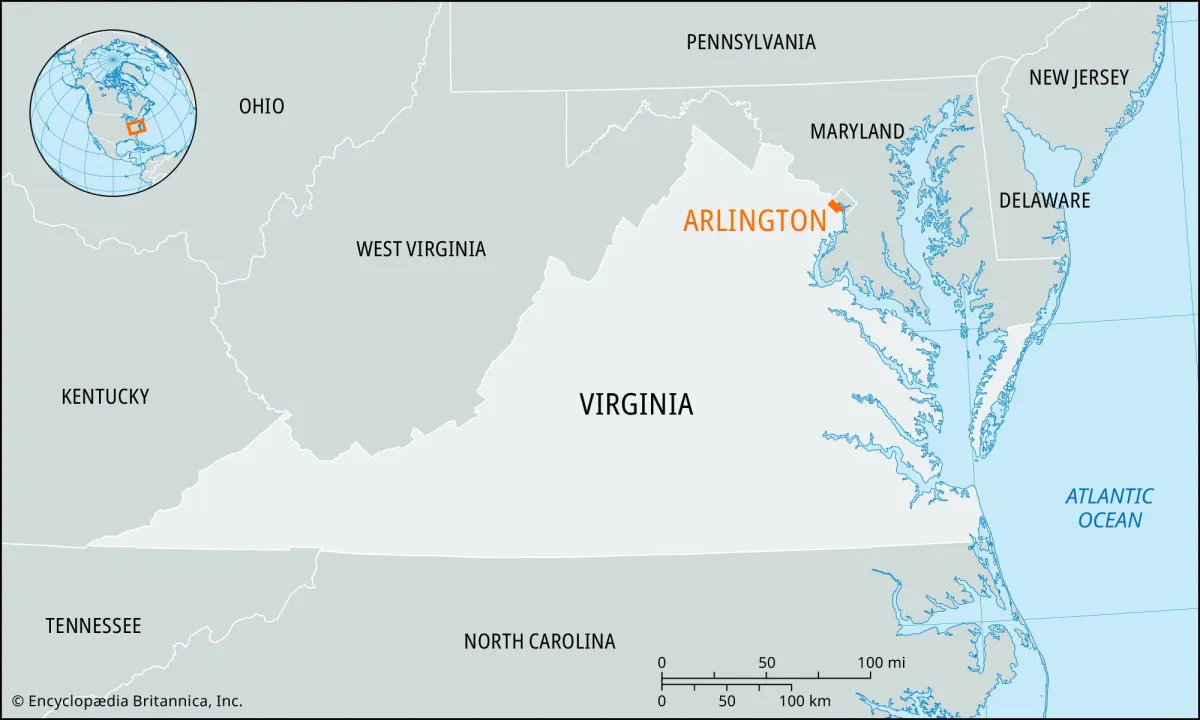 Photo: Arlington, Virginia, via cdn.britannica.com
These projections ignore the lessons of previous corporate relocations. When Boeing moved its headquarters to Chicago in 2001, city officials made similar promises about economic transformation. Twenty years later, Boeing's Chicago presence consists primarily of executive offices that generate minimal local employment and have had negligible impact on the broader economy.
The Psychology of the Big Fix
Why does this pattern persist despite centuries of evidence that transformative deals rarely transform anything? The answer lies in fundamental features of human psychology that have not changed since the first American settlements.
First, communities facing economic challenges experience psychological pressure to identify a single, decisive solution rather than acknowledge that sustainable development requires incremental progress across multiple sectors over extended periods. The idea that one deal can fix everything is psychologically appealing because it promises immediate relief from complex problems.
Second, the promotional materials for these deals always include sophisticated economic projections that create an illusion of scientific certainty. These studies, whether produced in 1850 or 2020, follow identical methodologies: they project maximum possible benefits while minimizing costs and risks. The mathematical precision makes the promises feel reliable even when the underlying assumptions are speculative.
Third, civic leaders face political incentives to pursue dramatic initiatives rather than incremental improvements. A mayor who lands a major corporate headquarters can claim transformative leadership. A mayor who slightly improves municipal services over five years struggles to generate equivalent political capital.
The Amnesia Mechanism
What makes this cycle particularly durable is the selective memory that follows each disappointment. When the transformative deal fails to deliver promised benefits, communities typically blame external factors—economic downturns, changing market conditions, or inadequate follow-up investment—rather than questioning the fundamental premise that such deals can generate sustained transformation.
This amnesia ensures that each generation of civic leaders approaches new opportunities with fresh optimism, unencumbered by institutional memory of previous disappointments. The pattern repeats because the psychology driving it regenerates faster than the institutional knowledge required to resist it.
The Eternal Cycle
American communities will continue pursuing transformative deals because the alternative—acknowledging that sustainable economic development requires patient investment in education, infrastructure, and institutional capacity—offers less immediate political gratification and fewer opportunities for dramatic leadership narratives.
The magic bullet delusion persists not because communities are irrational but because the psychology that generates it serves important political and emotional functions. It provides hope during difficult periods, creates opportunities for civic leadership, and maintains the optimism necessary for continued investment in community development.
Two hundred years of evidence suggests that this cycle is not a bug in American civic culture but a feature. The pursuit of transformative deals, even when unsuccessful, maintains the civic engagement and investment optimism necessary for incremental progress. Communities that stop believing in magic bullets often stop investing in their futures entirely.
The pattern will continue because the psychology driving it is more durable than the evidence against it.